

Understanding Parcel Boxes
A parcel box is a secure storage solution designed specifically for receiving packages delivered by courier services. As online shopping continues to grow in popularity, so does the necessity for reliable delivery options. Parcel boxes have emerged as an effective response to the increasing concerns surrounding package theft and weather-related damage. These boxes are often designed with durability and functionality in mind, to accommodate the varying needs of consumers.
One of the central features of a parcel box is its secure locking mechanism. Many models come equipped with advanced security locks to ensure that packages remain safe until the owner retrieves them. This feature deters potential thieves, providing peace of mind for online shoppers. Additionally, parcel boxes come in a variety of sizes, accommodating everything from small envelopes to larger parcels, catering to the diverse range of package dimensions one might receive.
Weather resistance is another important aspect of parcel boxes. With a variety of designs constructed from materials that can withstand rain, snow, and other environmental elements, these boxes protect parcels from moisture and other forms of damage. This durability is crucial, especially in regions that experience severe weather conditions.
Having a parcel box offers numerous benefits. Firstly, it minimizes the risk of theft, as deliveries can be securely stored until the recipient is able to retrieve them. Additionally, parcel boxes also help streamline the delivery process by allowing couriers to leave packages without the need for interaction with the homeowner, thereby promoting contactless delivery practices. Furthermore, they can reduce the instances of missed deliveries, ensuring that packages are always available for pickup at the recipient’s convenience.
Exploring Letter Boxes
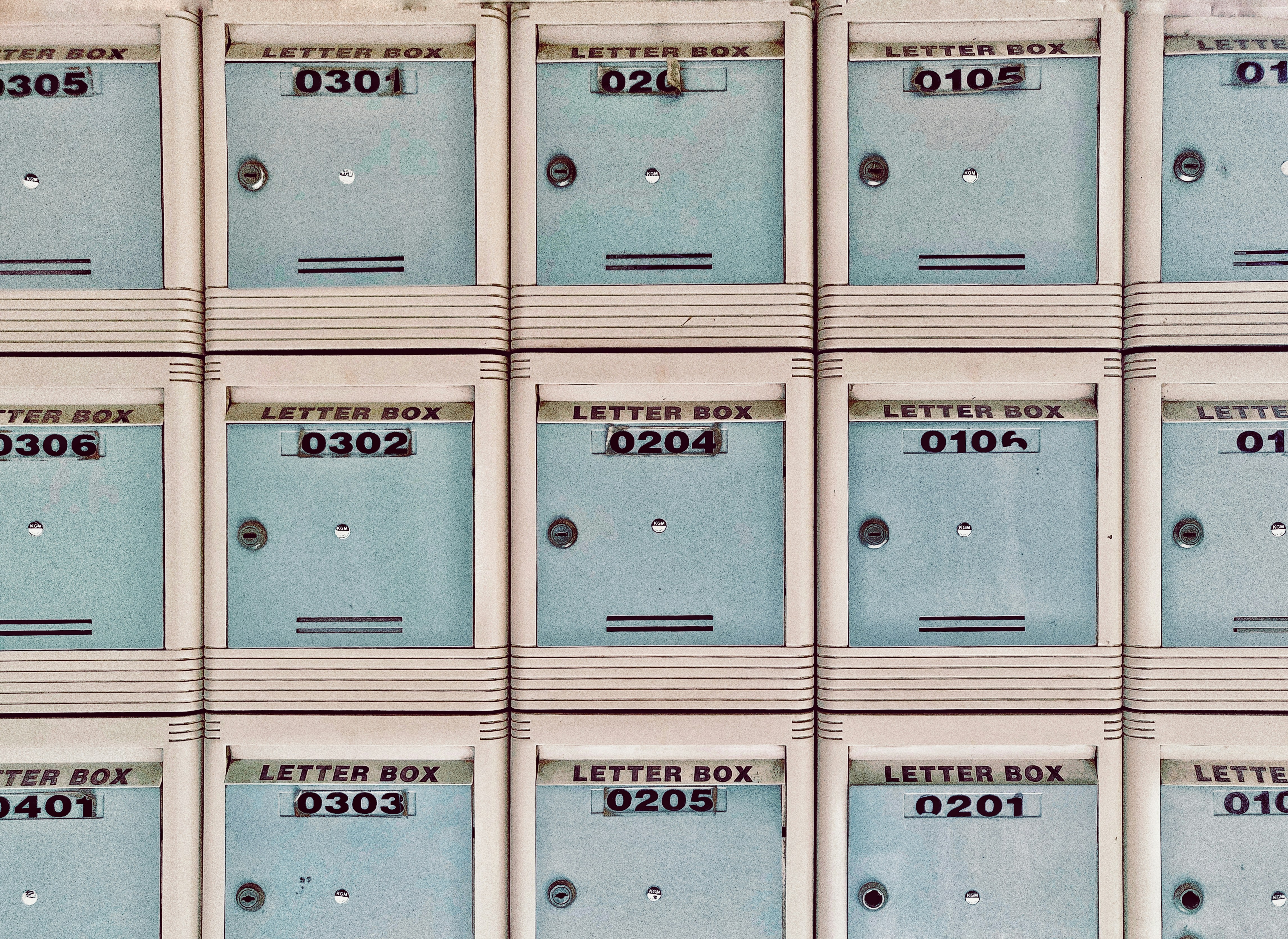
Letter boxes, commonly referred to as mailboxes, play a critical role in the everyday exchange of postal items. They are designed primarily for the receipt of letters and small parcels, providing a convenient and accessible solution for mail collection. Traditional letter boxes can be found in various forms, each catering to different preferences and requirements, while modern designs have evolved to incorporate advanced features that enhance usability and security.
There are numerous types of letter boxes available on the market. Wall-mounted letter boxes are a practical choice for households with limited space. They are affixed securely to exterior walls, allowing easy access for both the homeowner and postal services. On the other hand, post-mounted letter boxes offer a standalone option that can be positioned anywhere on a property, ensuring visibility and convenience. This type of mailbox often has a more decorative appeal, complementing the aesthetics of a home’s exterior.
Integrated letter box solutions are also gaining popularity, combining functionality with design. These options are built seamlessly into property features, such as fences or gates, providing an aesthetically pleasing look while serving the primary purpose of collecting mail. Regardless of the type chosen, many modern letter boxes come equipped with features that enhance security. Lockable compartments, for instance, deter theft and ensure that your letters and small parcels remain safe.
Moreover, some letter boxes include compartments specifically designed for different sizes of postal items, allowing for organized mail collection. This added functionality can significantly improve the daily experience of receiving mail. With various options available, it is essential for homeowners to evaluate their needs and preferences to select the most suitable letter box for their residence.
Comparing the Benefits of Each Option
When considering the most suitable choice for receiving mail and packages, understanding the distinct benefits of a parcel box versus a letterbox is crucial. Parcel boxes, designed specifically for package deliveries, offer solutions for those who frequently receive goods from online shopping or regular shipments. These boxes typically feature larger compartments and are equipped with locking mechanisms to ensure security, making them ideal for those who may be away from home during delivery times. Their capacity to accommodate a variety of package sizes provides added convenience and peace of mind for users.
On the other hand, letterboxes cater more to traditional postal needs, primarily designed for letters and small parcels. They tend to be more compact, allowing for easy placement near front doors or gates. Individuals with lower mail volume or those who mostly receive correspondence may find a letterbox to be more space-efficient and aesthetically pleasing. Additionally, for residents in urban or high-density areas, a letterbox can serve the purpose of preventing mailbox clutter while still providing a secure way to receive essential documents and notices.
Security concerns play a significant role in the decision-making process. Individuals living in neighborhoods where package theft is prevalent might opt for a parcel box, given its enhanced protective features compared to a standard mailbox or letterbox. Conversely, those who frequently check their mail may prefer a letterbox for its ease of access, as it allows for quick retrieval of letters and smaller items without needing to unlock a larger container.
Ultimately, the decision between a parcel box and a letterbox hinges on personal needs regarding mail volume, security, and delivery frequency. By evaluating these aspects, individuals can select the most appropriate option that aligns with their lifestyle and enhances their mail receiving experience.
Making the Right Choice for Your Home
When considering whether to install a parcel box or a letter box, it is essential to evaluate a number of practical factors that can influence your decision. First and foremost, assessing the available space at your property is crucial. A parcel box, typically larger, may require more room than a standard letter box. Homeowners should measure the area where they plan to install the mailbox system to ensure an effective fit. In contrast, those with limited space may find a compact letter box more appropriate for their needs.
Neighborhood safety is another important consideration. A secure location can significantly impact your choice. If you live in an area prone to theft or vandalism, investing in a robust parcel box with enhanced security features may be advantageous. On the other hand, a simple letter box can suffice in safer neighborhoods, where the risks associated with standard mail delivery are minimal.
Delivery patterns also play a critical role in your decision. Consider how frequently you receive parcels versus letters. For individuals or families who regularly order items online, a parcel box offers convenience and protects packages from theft. A letter box, however, may meet the needs of those who predominantly receive correspondence. It is worth contemplating a hybrid solution that accommodates both types of deliveries, ensuring that your home is equipped to handle various mail-handing situations effectively.
Ultimately, personal preference will drive your choice between a parcel box and a letter box. Evaluating your individual preferences, lifestyle, and mail-handling habits will guide you toward selecting the ideal mailbox solution for your home. In conclusion, assessing your needs regarding space, safety, and delivery frequency, alongside your personal inclinations, can lead to a well-informed decision tailored to enhance your mail receipt practices.